(Spanish version at the end of this section/versión en español al final de esta sección)
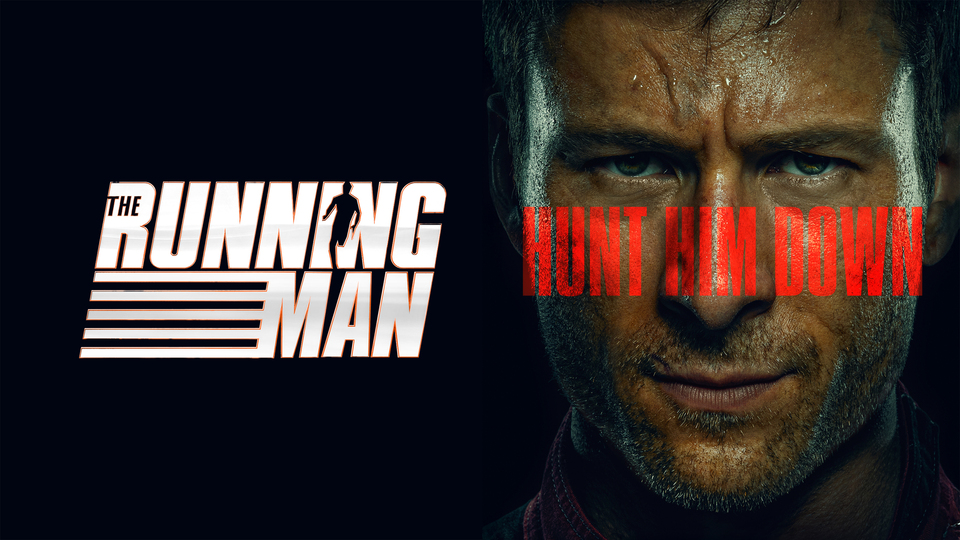
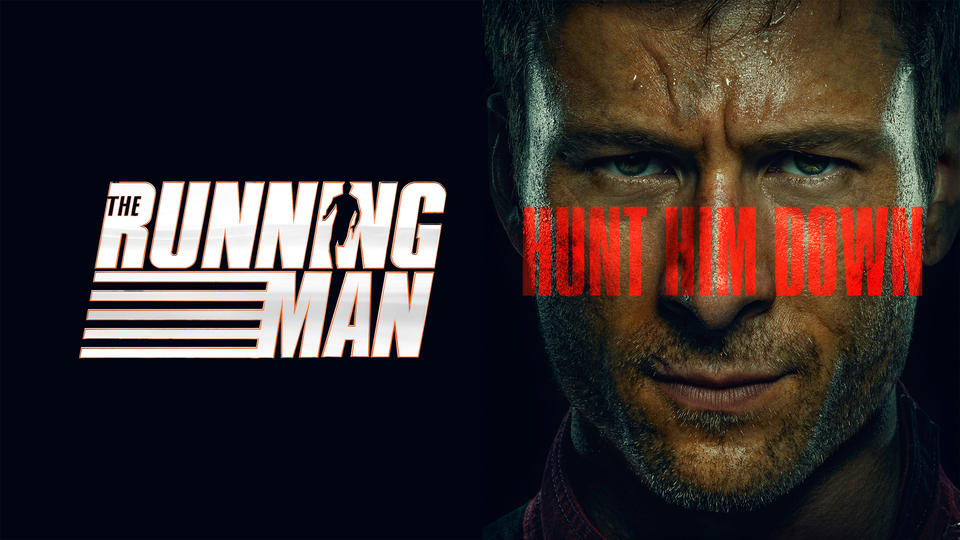
I watched The Running Man a few days ago on Paramount+. Not when it came out. Not in theaters. Not even during whatever window it had.
Just… now.
And that’s already the problem.
Because this is a 2025 movie directed by Edgar Wright. That should mean something. That used to mean something. It used to mean presence, conversation, at least some level of cultural noise.
Instead, it came out… and no one cared.
Or worse, no one even noticed.
Let’s be clear about what the movie is, because apparently the system didn’t bother to make sure people knew.
It’s based on Stephen King. A guy is forced into a televised manhunt where he’s hunted for entertainment. Survive, you win. Get caught, you die. People watch it like it’s just another show.
That’s the movie.
The original, The Running Man with Arnold Schwarzenegger, was pure excess. Loud, dumb in the best way, full of personality. It didn’t care about realism. It cared about impact.
This one does the opposite.
And here’s where it actually gets interesting.
Wright doesn’t try to outdo the original. He removes the distance. He takes away the cartoon and leaves you with something that feels uncomfortably close to how media already works.
No neon circus. No exaggerated villains screaming at the camera.
Just a system that feels believable.
And that makes it more disturbing.
Because the movie is not about the hunt. It’s about the audience. It’s about the fact that people will sit there and watch someone get destroyed as long as it’s packaged correctly.
That’s not sci-fi anymore. That’s literally the internet.
You can feel Wright holding back his usual style. If you know Shaun of the Dead, you expect energy, speed, editing that punches you. Here, it’s controlled. Almost too controlled.
And yeah, that’s a choice.
Sometimes it works. Sometimes you wish he would just go further and stop being so polite about it.
Because that’s the real issue with the film.
It understands the system, but it doesn’t fully attack it.
It observes it.
And maybe that’s why it slipped through so easily.
Because the system doesn’t care about observation.
It only reacts to disruption.
The cast is solid. Glen Powell plays it like a guy trapped, not a hero. Josh Brolin gives it weight. William H. Macy makes everything slightly uncomfortable.
The movie looks expensive. Real sets. Real scale. Not that flat digital sludge most streaming movies have now.
So again…
why did this disappear?
And this is where it stops being about the movie and starts being about something else.
Because today, a film is not competing with other films.
It’s competing with a girl dancing for 8 seconds.
It’s competing with infinite scroll.
It’s competing with an algorithm that does not care about craft, time, or intention. It cares about retention.
And here’s the uncomfortable part.
Studios know this.
And instead of protecting their films, they feed the same system that destroys them.
They release everything at once. They flood their own platforms. They kill their own movies before anyone else has the chance to.
That’s not strategy.
That’s self-destruction.
So what’s the goal?
Because if you’re spending millions, hiring actors, building worlds… and then dumping it into a feed where it lasts a week…
you’re not building cinema.
You’re feeding a machine.
And at some point you have to ask the question nobody wants to ask out loud.
If it’s not about attention anymore, and it’s clearly not about long-term cultural impact…
is it even about money?
Because the math doesn’t add up the way it used to.
Meanwhile, YouTubers are selling out theaters. Creators are pulling bigger audiences than actors like Zendaya or Jennifer Lawrence for younger generations.
The hierarchy flipped.
And Hollywood didn’t adapt.
It diluted itself.
The irony is obvious.
The Running Man is about a system that turns people into disposable entertainment.
And now it exists inside a system that does the same thing to movies.
So no, this isn’t a forgotten film.
It’s a film that proves something is broken.
Because it’s right there.
And still… it didn’t matter.
——————————————————————-
Vi The Running Man hace unos días en Paramount+. No cuando salió. No en cine. Ni siquiera en su “momento”.
Apenas ahora.
Y ese ya es el problema.
Porque esta es una película de 2025 dirigida por Edgar Wright. Eso debería significar algo. Antes significaba algo. Presencia. Conversación. Ruido.
Aquí no.
Salió… y a nadie le importó.
O peor: nadie se enteró.
Y primero hay que decir claramente de qué trata, porque parece que ni eso quedó en la conversación.
Está basada en Stephen King. Un hombre entra a un programa donde lo cazan en vivo para entretenimiento. Mientras más dure, mejor. Si lo atrapan, muere. La gente lo ve como si fuera cualquier otro show.
Eso es The Running Man.
La versión original, The Running Man con Arnold Schwarzenegger, era puro exceso. Ruidosa, exagerada, hasta medio absurda. Pero tenía personalidad. No le importaba ser sutil. Le importaba pegar.
Esta nueva versión hace lo contrario.
Y ahí es donde se pone interesante.
Wright no intenta superar la original. Le quita lo caricaturesco y deja algo más cercano, más incómodo. Ya no se siente como una fantasía exagerada, se siente como algo que podría funcionar.
Y eso pega más fuerte.
Porque la película no va del juego.
Va de la gente que lo ve.
Va de cómo el público consume violencia mientras esté bien empaquetada.
Y eso ya no es ciencia ficción.
Eso es internet.
Se siente que Wright se está conteniendo. Si vienes de Shaun of the Dead sabes que puede ser mucho más agresivo con su estilo. Aquí está controlado. A veces demasiado.
Y sí, es una decisión.
A veces funciona. A veces dan ganas de que se suelte y deje de ser tan correcto.
Porque ese es el punto débil de la película.
Entiende el sistema… pero no lo rompe.
Lo observa.
Y al sistema no le importa que lo observes.
Solo le importa si lo interrumpes.
El cast funciona. Glen Powell no juega a ser héroe, juega a sobrevivir. Josh Brolin le da peso. William H. Macy mete incomodidad.
La película se ve cara. Bien hecha. No se siente como ese contenido plano que ya domina el streaming.
Entonces otra vez la pregunta.
¿Por qué desapareció?
Y aquí es donde deja de ser sobre la película.
Porque hoy una película no compite con otras películas.
Compite con todo.
Con TikTok.
Con videos de segundos.
Con scroll infinito.
Una chava bailando puede tener más alcance que una película que costó millones.
Un creador puede ser más relevante para una generación que actores como Zendaya o Jennifer Lawrence.
Y los estudios lo saben.
Y aún así alimentan el mismo sistema que los está matando.
Sacan todo al mismo tiempo. Llenan sus plataformas. Enterran sus propias películas.
Eso no es estrategia.
Es autodestrucción.
Entonces la pregunta real es otra.
Si no es atención… y claramente ya no es impacto cultural…
¿sí es dinero?
Porque las cuentas ya no cuadran como antes.
Mientras tanto, YouTubers llenan salas. Creadores jalan audiencias más rápido que cualquier campaña de estudio.
El orden se volteó.
Y Hollywood no se adaptó.
Se diluyó.
La ironía es demasiado obvia.
The Running Man trata de un sistema que convierte a las personas en entretenimiento desechable.
Y ahora existe dentro de un sistema que hace exactamente lo mismo con el cine.
No es una película olvidada.
Es una prueba de que algo está roto.
Porque ahí está.